Collagen peptides, read from the literature
By The PepVise Editorial Team · Reviewed June 4, 2026 · 15 min read
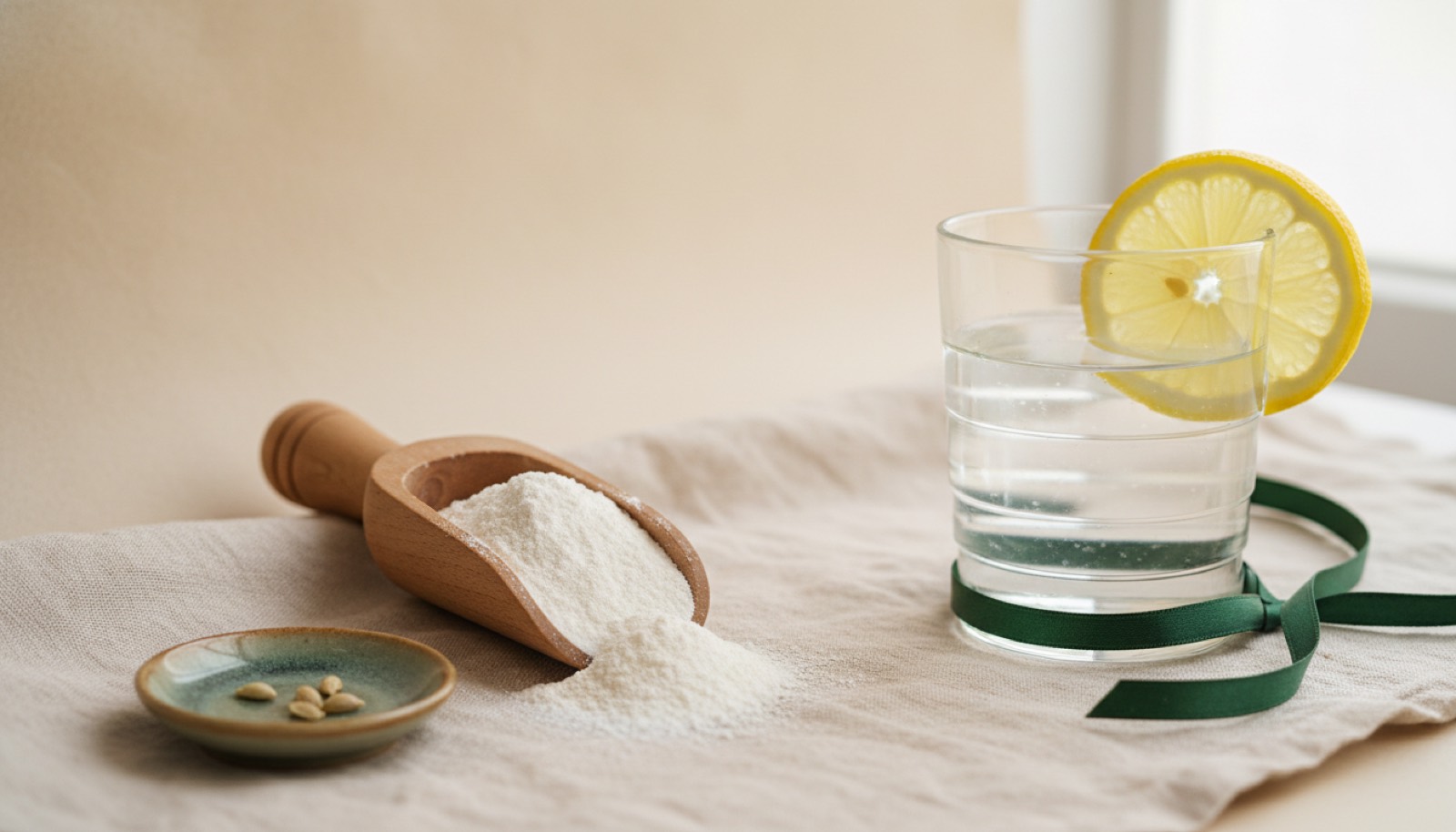
What hydrolyzed collagen actually is, how the peptides survive digestion, and what the randomized trials show for skin, joints, bone and muscle. The evidence, graded the way we grade research compounds.
We describe what has been measured, by whom, at what scale, with what effect size, and with what caveats. Hedging, here, is honesty.
How we read the literature
- Evidence tier
- We grade the literature on four tiers, High (replicated RCTs or meta-analyses), Moderate (multiple trials with mixed findings), Low (a single pilot or case series), and Anecdotal (preclinical only, no human data). The tier appears on every compound profile beside the claim it supports.
- Trial stage
- Where a compound sits in the human development pipeline is recorded as Preclinical, Phase 1, Phase 2, or Phase 3+. We pull the current stage from ClinicalTrials.gov and the EU Clinical Trials Register on access date and re-verify quarterly.
- Regulatory status
- We state the FDA posture plainly, approved for indication X, or labeled for research use only, or removed from the 503A list, or investigational under a specific IND. Regulatory status changes; every post carries a review date.
- Where we're uncertain
- Every compound profile closes with a named uncertainty section, the question we can't answer from the current literature, the trial we'd want to see, the effect size we'd treat as a real signal. Uncertainty is not a failure mode here; it's load-bearing.
The questions readers actually bring us.
- What are collagen peptides?
- Collagen protein, usually from bovine hide or fish skin, enzymatically broken into short chains of two to twenty amino acids. The hydrolysis makes the powder soluble and digestible, and produces the specific di- and tripeptides (such as prolyl-hydroxyproline) that appear in blood after ingestion and are studied for effects on skin and connective tissue.
- Do collagen peptides work?
- Endpoint by endpoint: skin hydration and elasticity have the strongest support, including a 2021 meta-analysis of 19 RCTs. Joint comfort in active people has randomized support at around 10 g per day. Bone density and muscle mass have single good trials in specific older populations, paired with exercise. Hair, nails and weight loss are essentially unsupported. Modest effects, real but bounded.
- Is collagen broken down by stomach acid?
- It is digested, but not into anonymity. Human studies detect collagen-specific di- and tripeptides in plasma after ingestion, at concentrations that persist for hours. Those hydroxyproline-containing fragments are the proposed active signal, and their absorption is among the better-documented facts in the file.
- How long does collagen take to work?
- The skin trials read their endpoints at 8 to 12 weeks; joint trials ran up to 24 weeks. The bone trial ran a year. There is no published basis for effects inside the first month, which is worth knowing before judging a tub half-finished.
- Is collagen worth it?
- If your goal matches the studied endpoints (skin elasticity and hydration, activity-related joint comfort, or the specific older-adult bone and muscle contexts) and you run a trial-length experiment at a trial-relevant dose, the literature says you have a reasonable bet. If you expect a complete protein, a weight-loss aid, or visible change in a fortnight, it is not worth it, because no data supports those purchases.
A Phase 2 randomized trial with blinded outcome assessment would change the reading. A new independent replication outside the currently dominant research group would change the reading. A regulatory action, approval, restriction, or a class warning, would change the reading. When any of those lands, we update this profile within a week and mark what changed.
References cited on this page.
PubMed, ClinicalTrials.gov, and FDA documents only. Secondary sources appear when needed to characterize public discourse, never as a source for a clinical claim.
- [01]de Miranda RB et al. Effects of hydrolyzed collagen supplementation on skin aging: a systematic review and meta-analysis. Int J Dermatol 2021
- [02]Proksch E et al. Oral supplementation of specific collagen peptides has beneficial effects on human skin physiology. Skin Pharmacol Physiol 2014
- [03]Clark KL et al. 24-week study on the use of collagen hydrolysate as a dietary supplement in athletes with activity-related joint pain. Curr Med Res Opin 2008
- [04]Zdzieblik D et al. Collagen peptide supplementation in combination with resistance training improves body composition in elderly sarcopenic men. Br J Nutr 2015
- [05]König D et al. Specific collagen peptides improve bone mineral density and bone markers in postmenopausal women. Nutrients 2018
- [06]Shaw G et al. Vitamin C-enriched gelatin supplementation before intermittent activity augments collagen synthesis. Am J Clin Nutr 2017
About The Pepvise Editorial Team
The Pepvise Editorial Team is a small group of researchers and science writers reading the peer-reviewed peptide literature and translating it into calm, cited analysis. We do not sell peptides, recommend peptides, or tell readers what to administer. We describe what has been measured, by whom, at what scale, with what effect size.
Compound reviews are signed off by Dr. Priya Narang, MD, MPH (endocrinologist) and Dr. Marcus Haley, PharmD, BCPS (board-certified clinical pharmacist). Both hold verifiable state-board licenses and have signed editorial-independence letters with us. See the full editorial board →
Adjacent in the literature.
Collagen Peptides vs Collagen: The Difference
Collagen peptides vs collagen on the evidence: why hydrolyzed peptides are absorbed while gelatin and whole collagen are not, which form the human trials actually used, and how undenatured type II fits.
9 min readConsumer · ExplainerHow to Boost Collagen Production Naturally
How to boost collagen production on the evidence: the vitamin C and protein your body needs to build it, the topical retinoids that raise it, and the sun, smoking and sugar that break it down.
9 min readConsumer · ComparisonThe 8 Best Collagen Peptides, Ranked
Eight collagen peptide powders compared on dose per serving, collagen type, third-party testing, and price per serving. Ranked from the ingredient panel and the published trials, before any link was attached.
13 min readGet the 2026 Peptide Evidence Ledger.
A 12-page PDF summary of where 10 major compounds sit, Preclinical / Human pilot / Phase trial / FDA status. Updated quarterly. Free.
By subscribing, you agree to our Privacy Policy. One calm, cited email a week. Unsubscribe anytime.