Collagen and vitamin C, why the pairing is more than marketing
By The PepVise Editorial Team · Reviewed July 31, 2026 · 9 min read
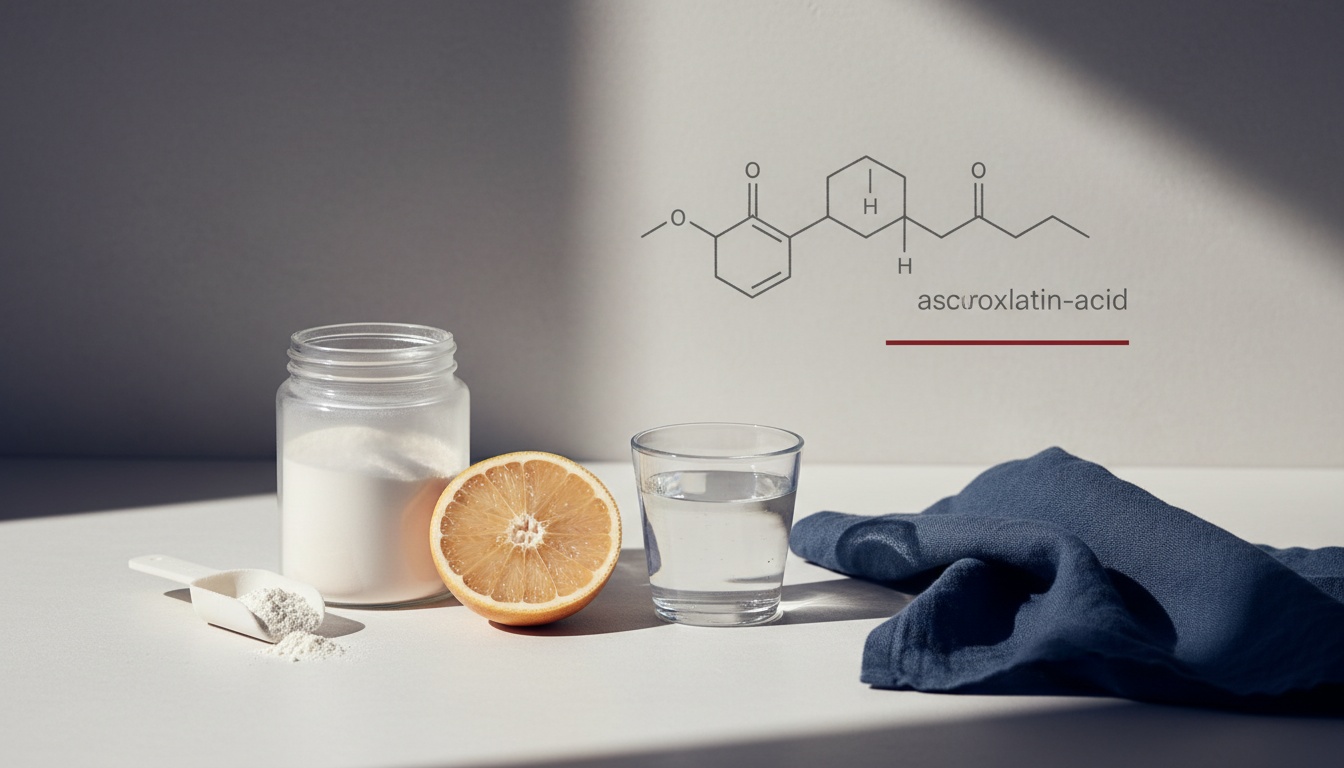
Collagen and vitamin C on the evidence: why vitamin C is a required cofactor for building collagen, what the human trials show, whether you need a supplement that combines them, and the honest limits.
Mechanism explainers on PepVise aim for textbook-level clarity without the textbook's refusal to commit to a reading.
What readers ask us next.
- Should I take vitamin C with collagen?
- It is a biologically sound thing to do, because vitamin C is a required cofactor for the enzymes that build stable collagen. That does not mean it has to be in the same scoop, though. What matters is having adequate vitamin C on board, which most people already get from a normal diet with some fruit and vegetables. Taking them together is a reasonable convenience rather than a strict requirement.
- Does collagen need vitamin C to work?
- Your body needs vitamin C to synthesize collagen at all, which is why severe deficiency causes scurvy. But that requirement is met by your overall vitamin C status, not specifically by taking it alongside a collagen supplement. If you are not deficient, your collagen synthesis already has the cofactor it needs, and adding more vitamin C at the moment you take collagen does not multiply the effect.
- How much vitamin C should I take with collagen?
- There is no special collagen-specific dose. The goal is simply to meet the ordinary daily vitamin C requirement, which for most adults is in the range of 75 to 90 milligrams and is easily covered by food such as citrus, kiwi, peppers, or broccoli. Combined collagen products often add a modest amount in that vicinity. Very high doses do not force extra collagen, because the excess is excreted.
- Do I need a collagen supplement that already contains vitamin C?
- Not necessarily. A combined product is convenient because it guarantees both are present together, and many good collagen powders include vitamin C for that reason. But if your diet supplies enough vitamin C, a plain collagen product works just as well. When comparing products, the collagen dose and quality matter far more than whether vitamin C is premixed.
- Can vitamin C boost collagen on its own without a supplement?
- Vitamin C supports your body's own collagen production because it is a cofactor for collagen-building enzymes, and studies show it aids collagen synthesis in skin and after injury. But on its own it does not add collagen protein; it enables the collagen your body makes from dietary protein to be assembled properly. It is one part of the picture, alongside adequate protein and, if you choose, a collagen supplement.
References cited on this page.
PubMed, ClinicalTrials.gov, and FDA documents only. Secondary sources appear when needed to characterize public discourse, never as a source for a clinical claim.
- [01]Peterkofsky B. Ascorbate requirement for hydroxylation and secretion of procollagen: relationship to inhibition of collagen synthesis in scurvy. Am J Clin Nutr 1991
- [02]Boyera N, Galey I, Bernard BA. Effect of vitamin C and its derivatives on collagen synthesis and cross-linking by normal human fibroblasts. Int J Cosmet Sci 1998
- [03]Shaw G et al. Vitamin C-enriched gelatin supplementation before intermittent activity augments collagen synthesis. Am J Clin Nutr 2017
- [04]DePhillipo NN et al. Efficacy of vitamin C supplementation on collagen synthesis and oxidative stress after musculoskeletal injuries: a systematic review. Orthop J Sports Med 2018
- [05]Pullar JM, Carr AC, Vissers MCM. The roles of vitamin C in skin health. Nutrients 2017
About The Pepvise Editorial Team
The Pepvise Editorial Team is a small group of researchers and science writers reading the peer-reviewed peptide literature and translating it into calm, cited analysis. We do not sell peptides, recommend peptides, or tell readers what to administer. We describe what has been measured, by whom, at what scale, with what effect size.
Compound reviews are signed off by Dr. Priya Narang, MD, MPH (endocrinologist) and Dr. Marcus Haley, PharmD, BCPS (board-certified clinical pharmacist). Both hold verifiable state-board licenses and have signed editorial-independence letters with us. See the full editorial board →
Adjacent in the literature.
Collagen Peptides vs Collagen: The Difference
Collagen peptides vs collagen on the evidence: why hydrolyzed peptides are absorbed while gelatin and whole collagen are not, which form the human trials actually used, and how undenatured type II fits.
9 min readConsumer · ExplainerHow to Boost Collagen Production Naturally
How to boost collagen production on the evidence: the vitamin C and protein your body needs to build it, the topical retinoids that raise it, and the sun, smoking and sugar that break it down.
9 min readConsumer · ComparisonThe 8 Best Collagen Peptides, Ranked
Eight collagen peptide powders compared on dose per serving, collagen type, third-party testing, and price per serving. Ranked from the ingredient panel and the published trials, before any link was attached.
13 min readGet the 2026 Peptide Evidence Ledger.
A 12-page PDF summary of where 10 major compounds sit, Preclinical / Human pilot / Phase trial / FDA status. Updated quarterly. Free.
By subscribing, you agree to our Privacy Policy. One calm, cited email a week. Unsubscribe anytime.